Understanding e-bike motor power ratings is crucial for anyone looking to purchase or upgrade an electric bike. The amount of power an e-bike motor can deliver significantly impacts your riding experience, from speed and acceleration to hill-climbing ability and overall performance.
In this article, we'll delve into the intricacies of e-bike motor power, exploring what watts really mean and how they translate to real-world performance on your electric bicycle.
E-bike motors have many specs, but knowing the basics is vital. In the U.S., motor power greatly affects an e-bike's performance.
Grasping e-bike motor power ratings helps you pick the right motor. It's about finding the motor that suits you best. This way, you'll choose an e-bike that improves your riding experience.
Understanding E-bike Motor Power Ratings: Key Fundamentals
When it comes to electric bike motor wattage, knowing the power ratings is key for a smooth ride. The power of an e-bike motor is measured in watts. It's important to think about the e-bike motor efficiency when picking the right bike.
In the United States, there are rules about e-bike motor comparison. Federal laws say e-bikes with a motor power of 750 watts or less can be on public roads. But, some states have their own rules about e-bike motor power.
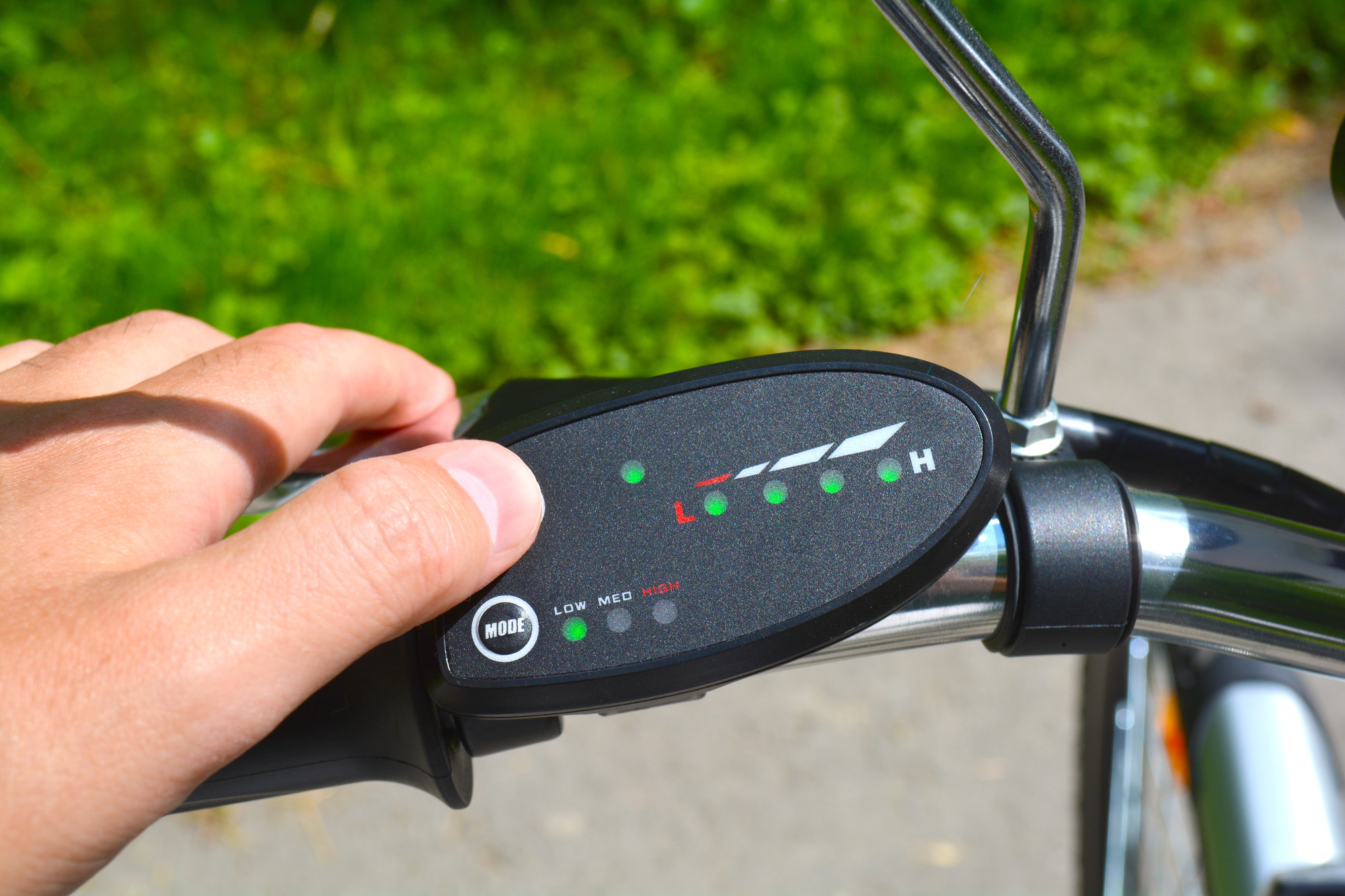
A detailed illustration of an e-bike motor, showcasing different power ratings. Include graphical representations of wattage levels, a vibrant background with cycling elements, and visual comparisons of various motor types. Emphasize the sleek design of the motors, highlighting their features and performance aspects in an engaging way.
Continuous/Nominal Power vs Peak Power Output
Knowing the difference is important for e-bike motor comparison.
Defining Nominal power and its importance
Continuous power in e-bike motors is the maximum power it can keep up for a long time. It's important because it shows how well the motor works over time. It's key for riders who go long distances or climb hills a lot.
Knowing this helps you choose the right e-bike. It ensures the motor can handle your usual rides without getting too hot.
It also affects how far you can go on one charge. Motors with more continuous power make rides smoother and more predictable. It's also important for following local e-bike laws, as different places have different power limits.
Understanding peak power and when it matters
Peak power is the highest power an e-bike motor can make for a short time, usually seconds. It's needed for quick starts, passing other vehicles, or going up steep hills. Knowing this will help you see if the motor can handle sudden demands.
Peak power is exciting, but it's only for short bursts. Most motors can't keep up this high power for long without overheating. Look at both peak and continuous power to understand the motor's full range. This helps you find an e-bike that's good for daily rides and occasional quick needs.
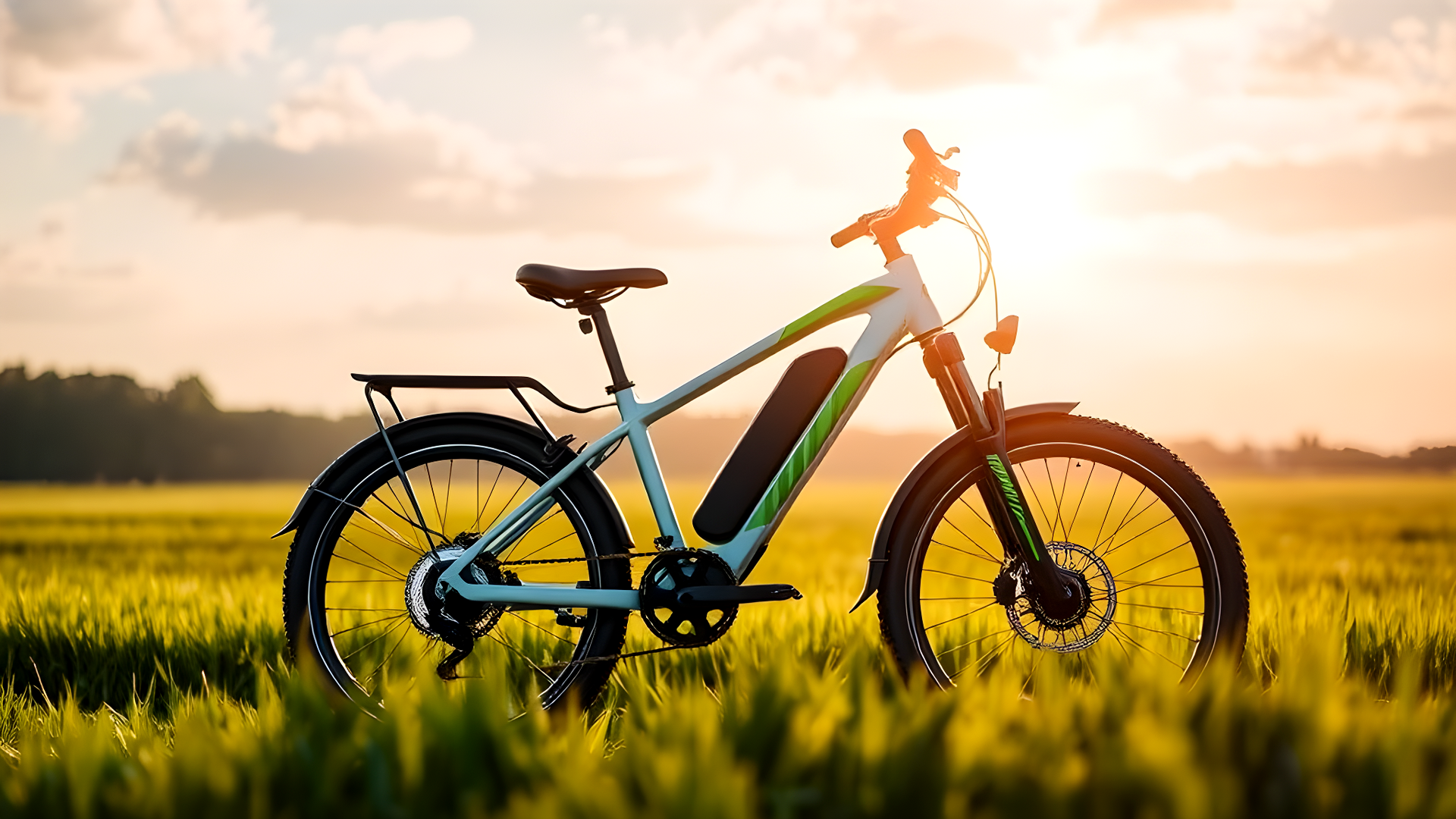
How to interpret power ratings when choosing an e-bike
Choosing an e-bike means looking at more than just wattage. You need to think about both continuous and peak power for your riding style. For flat commutes, a lower continuous power might be enough. But for hills or heavy loads, you'll need more.
Be careful how manufacturers show their power ratings. Some might highlight peak power to seem more powerful. Others will focus on continuous power for a more honest look at performance.
Also, think about the motor type and how efficient it is. A mid-drive motor might be better than a hub motor in some cases. And don't forget about the bike's design, weight, and purpose. A light bike with a moderate motor might perform better than a heavy one with a high motor.
By looking at power ratings with other factors like torque and bike design, you can pick the best e-bike for you.
Different Types of E-bike Motors
There are many types of e-bike motors, like hub motors and mid-drive motors. Each has its own good points and bad points. It's important to look at the electric bike motor wattage and e-bike motor efficiency when picking a motor.
Legal Power Restrictions in the United States
There are rules in the United States about e-bike motor power. It's important to know these rules. Choose an e-bike with a motor power that follows federal and state laws.
How Motor Power Affects Your Riding Experience
Motor power is key in e-bikes, affecting your ride. The e-bike motor torque is vital for speed and climbing hills. A higher torque means better performance, helping with steep hills and heavy loads.
The e-bike motor classification also matters, as it shows the bike's power. Different classes suit different riding styles. For example, a high-power bike is great for off-road, while a lower-power one is better for city rides.
The Relationship Between Motor Power and Battery Life
Understanding e-bike motor power ratings is key to knowing how they affect battery life. The connection between motor power and battery life is vital. It impacts your e-bike's performance and range. Understanding e-bike motor specifications helps you pick the right e-bike.
Power Consumption Patterns
Power consumption patterns play a big role in battery life. Higher motor power means faster acceleration but also quicker battery drain. For example, a high-power e-bike accelerates fast but uses more battery. To get the most from your battery, think about power consumption and e-bike motor specifications. Choose the right battery size and type for your needs. Using features like regenerative braking can also save battery life.
Range Expectations at Different Power Levels
Knowing how motor power affects battery life helps set realistic range goals. Consider terrain, rider weight, and motor power to estimate range. This knowledge helps pick the best e-bike for you, based on understanding e-bike motor power ratings and e-bike motor specifications.
Matching Motor Power to Your Riding Needs
Choosing the right e-bike motor is important. The terrain, distance, and your weight matter a lot. For city riding, you need enough power for hills but not too much.
Off-road biking needs a strong motor for hills and rough paths. Electric bike motor wattage is key here. A higher wattage helps with steep hills and obstacles.
For long trips, find a motor that balances power and efficiency. A mid-range motor with a big battery is ideal. Also, think about the bike's gearing, pedals, and comfort.
Urban Commuting Requirements
For city riding, a lower to mid-range motor is best. It's powerful enough for hills but easy to handle in tight spots.
Off-Road and Mountain Biking Considerations
Mountain biking needs a strong motor. It must handle rough terrain and steep hills.
Long-Distance Touring Specifications
For long trips, a mid-range motor is best. It offers good power and efficiency and works well with a big battery.
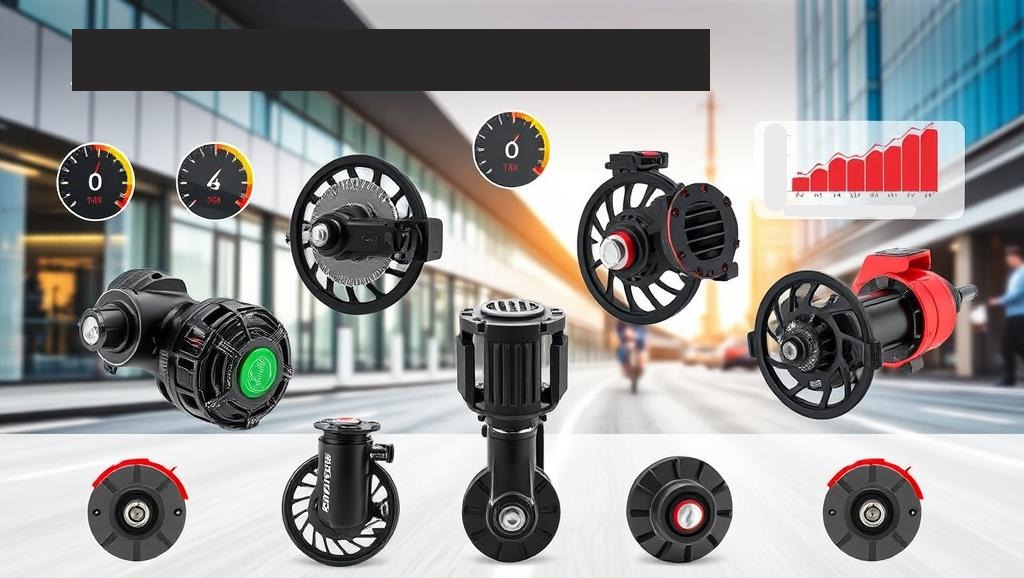
The Future of E-bike Motor Technology and Power Systems
The e-bike market is growing fast, and the future looks bright. Experts say e-bike motor efficiency will get even better. This means more powerful and energy-saving motors for better e-bike motor comparison choices.
New tech like advanced lithium-ion batteries and regenerative braking will boost e-bike range and performance. This will give riders more freedom and versatility. It's a big step forward for e-bike lovers.
Smart sensors and advanced control systems will soon make e-bikes more personal. They'll adjust to the rider's needs automatically. This will make riding more efficient and enjoyable.
Manufacturers are also working on making e-bikes lighter but stronger. This will make them easier to handle and more accessible to everyone. The e-bike world is set for exciting changes.
Riders can expect better commuting, fun rides, and off-road adventures with the latest tech. The focus is on making e-bikes more efficient, powerful, and easy to use. The future of e-bikes is looking very promising.